Posted on

Thai boxing resumes, but audiences stay home

Boxers and referees go back in the ring after months out of work

BANGKOK (Reuters) — Thai boxing matches resumed on Saturday after more than three months as the nation eases its coronavirus lockdown, but fans of the popular sport will have to make do with watching on television for now.

Leaders of the sport hailed the return to the ring after the shutdown, which left hundreds of boxers and referees without work, and said they hoped spectators would be allowed to attend matches again soon.

“I’m very happy and excited to get back to the ring … But I feel a bit strange. I was used to the sounds of crowds cheering, but there’s no audience,” said Khathawut Tumthong, a 21-year-old boxer.

Thailand’s government has eased most curbs to try to revive an economy badly hit by the pandemic, with sports competitions among the latest activities to resume. No local transmissions of the virus have been reported for 40 days.

However, authorities have yet to issue rules on when and how audiences will be allowed at sports venues. In March, a spike in virus cases was linked to a boxing match in Bangkok.

“Today is a good start for the boxing industry,” said Viboon Jampa-nguern, head of Thailand’s boxing committee.

“Boxers are in jeopardy, they don’t have alternative jobs. The same goes for those who work as boxing referees, they don’t have second jobs to support them,” he said.

Thailand’s tourism-driven economy could contract a record 8.1% this year, with the number of foreign tourists expected to tumble 80%, the central bank has forecast.

Posted on

How to Choose the Right Martial Arts Gym

Finding the martial arts gym that is right for you is never an easy task, and it can be a daunting one. This article will arm you with the tools for making sure the place you choose suits your training needs. We’ll start from walking in the front door, through class, and all the other details you need to look for before committing to a gym.

PhoenixMuayThai-slider2
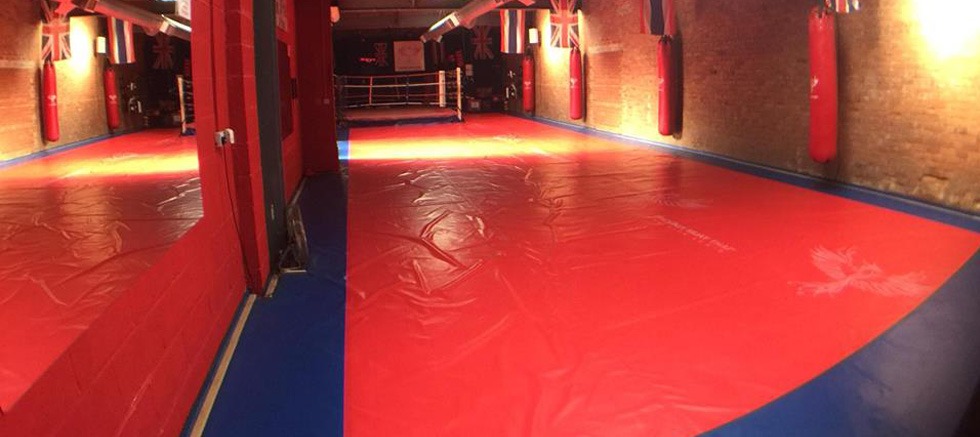
Phoenix Thai Boxing Training Area

1. Friendly and Helpful Staff

A good gym should have a personable and intelligent staff. An easy way to find out if the staff is good is to go to the gym and ask to observe a class. When you walk in, does the front desk person greet you and show you around the gym? Does he or she introduce you to some of the instructors? And are they friendly? The manner in which the staff acts can tell you worlds about the gym.

2. Schedule

Examine the gym’s schedule to make sure they can accommodate your needs. If they can’t, then there’s no reason as to why you should be there. Before signing up, make a plan as to what classes you would want to attend and make sure you get some information on the instructors who will be teaching. This will ensure that you can find the coach who is best for you, that you will be able to attend class consistently, and that you will get the best experience for your money.

3. Cleanliness

This is a big one for me and it’s a deal breaker for a lot of people. Some gyms can get pretty nasty, and if the gym you’re looking at isn’t clean, then it says a lot about the gym’s attention to detail. Dirty gyms lead to staph infections and the spread of other equally fun bacterial infections.

The gym doesn’t have to sparkle but there are some basics that need to be covered. Here’s is a checklist to go though when checking out a new spot:

Are the mats clean?

Are the pads and mitts organised?

Do people wear shoes or sandals when they walk off of the mat? (Because they should!)

Are the bathrooms clean?

4. Equipment

A good gym has the right tools to get the job done. They don’t need every toy ever invented for martial arts training, but the basics do need to be covered. If you’re in a muay Thai gym, then look for ample amounts of mat space, heavy bags, Thai pads, and strength equipment.

5. Quality Instruction

This is by far the most important thing to look for when choosing to learn a martial art. You could find the nicest facility in the world, but if the instructors don’t know what they’re doing then you’re wasting time and money.

A good instructor controls the class in a fluid and organised manner. From the warm up to the cool down, a good instructor will have the focus directed at honing a particular skill or movement. When observing the class, ask yourself if the information being taught is reflected the drills and exercises being performed by the students. A teacher who holds class in this fashion has clearly programmed the session in advance and demonstrates that he or she truly cares about the learning experience.

Another thing to look at when observing a class is the student body. The way a student acts can say much about the quality of the coaches and the gym as a whole. Here are some questions to ask yourself when looking at the students:

Are people sweating, smiling, and learning?

Are they good at what they’re doing?

If not, is the instructor helping them correct their mistakes?

If you answered yes to these questions, then you are in a good spot. Remember that at the end of the day you want to enjoy the training that you are paying for. Martial arts is not all fun and games, but it should be an overall enjoyable learning experience.

5. Community

Community is a huge part of the martial arts. When you join a gym, you should be joining a family. The gym should be a place where you can openly be yourself and where people hang out and socialise between classes. Before joining a gym, ask the front desk if they plan any events for the members and what the general culture is like.

Becoming a part of a community that is striving towards similar goals is just plain awesome. You immediately have a support system to help you when the going gets tough. That, in my opinion, is worth its weight in gold.

It makes my day when I walk into my gym and see students helping each other. It reaffirms that what I do makes a difference. Whether it’s sharing advice on nutrition, mobility drills to help with aches and pains, working on techniques, or just talking about where you can get the best margarita. Being part of a gym with a sense of community can change your life. If you’re ever in West Los Angeles, I invite you to stop by my gym to see firsthand what a great gym community is like.

Posted on

13 Rules for Proper Muay Thai Gym Etiquette

courteous of The Muay Thai Guy Sean Fagan

No matter how long or short you’ve been practicing Muay Thai, it’s always good to look over some general etiquette so the gym is a comfortable place for everyone.

1. Show up on time. Better yet, show up 10-15 min early.

One of the best quotes when it comes to punctuality came from the movie Drumline:

“If you’re on time you’re late, if you’re early you’re on time.”

Get off to a good start by showing your trainers that you’re game and ready to learn; the first step to doing this is respecting the class start and end times. Show up early to change, wrap your hands, and other things you may need to do before taking a class.

2. No shoes on the mat.

This goes for most martial arts, not just Muay Thai. Stepping on the mat with your shoes brings in all the dirty stuff from outside and can include diseases like staph.

3. Have and bring your own gear.

If you’re just starting out, it’s understandable that you need some time before ordering your first pair of gloves.

But if you’ve been training for more than a few weeks and plan to continue, you’re gonna need to have your own set of gear. This includes gloves, handwraps, shinguards, and shorts. Don’t expect your gym to have any on loan (it’s not sanitary anyway). If you consistently forget your gear, make a mental checklist before you leave the house. And don’t forget to bring your gear home!

4. Wash/air out/sanitise your gear!

There is almost nothing worse than having someone at the gym who smells bad! Avoid awkward conversations and confrontations by taking a bit of time to take the gear out of your bag when you get home from training so you can air out your gloves and shinguards.

Shorts and handwraps need to be washed just like your everyday clothes. You can invest in some deodoriser/sanitising spray for your gear, but airing your gear out usually does the trick (no moisture = no bacteria growth = no smell).

5. Other basic hygiene…

Cut your nails short so you don’t scratch people during clinching. This includes your toenails because people have been cut by long toenails and that’s just disgusting. Wear deodorant. Don’t wear a lot of cologne or perfume. Wash your clothes. Tie your hair back if it’s long. Use a towel or bring an extra shirt if you sweat more than other people. Don’t train when you’re sick so you don’t get others sick.

6. Wear compression underwear!

Under your thai shorts if you’re male and compression shorts if you’re female.Thai shorts generally have bigger leg openings so the wearer can kick more comfortably. Let’s not flash our private parts to everyone by wearing proper undergarments. We’re here to train, not get grossed out.

Also, as a side note to dudes, everyone can see your junk through your sweaty shorts if you don’t wear at least boxer briefs. This makes some people not wanna clinch with you ‘cause if you can see it, you can definitely feel it.

7. Shut up when the trainers are talking.

This is common sense. You know you shouldn’t be talking during school while your teachers are, and this is no different. When the trainers are giving group feedback or showing a new technique, be quiet so people (including yourself) and listen and see what’s going on. To learn, you have to open your eyes and ears before opening your mouth

8. Do what you’re told.

Okay, so, it might not be good general life advice to blindly do things, but let’s break down a few things that make this different in Muay Thai. You’re paying for lessons at a gym you like being at, so you know the trainers there know more than you do. Whether you’re there to learn new skills or just get in better shape, you trust the trainers there to do what brings you closer to your goal…otherwise you wouldn’t be there.

That being said, if you’re told to do 50 kicks or 100 situps, don’t make faces. Don’t complain. Don’t run to text people every other round. You don’t get more energy from making faces. You don’t get results from complaining. Just do it and let your progress speak for itself. And leave the phone alone until after class is done.

9. Don’t spar at 100%

(unless you already made sure your sparring partner is ok with it).

Wear big gloves for sparring. This has to be said a lot, unfortunately. If we’re on the same team, there’s no reason why we need to train in a way that will hurt each other. Save that type of for a fight. It’s okay to spar aggressively and catch your partner with shots, but do it in a controlled manner. 

Technical sparring is key (see below for some drills) and will get you much further (and less injured) than hard sparring will. Spar with 14oz and higher.

Also, know when to adjust your power against smaller people whose maximum power outputs are much less than yours. Light sparring against someone your size might feel very different to someone who’s 20 kg lighter than you. People are also under the impression that when they spar a fighter that they are going into a brawl.

Experienced fighters are the most controlled people you will ever spar with, so there is no need to throw a series of 20 combinations in a matter of seconds.

10. Clinch hard, knee softly.

The same goes for clinching as it does for sparring, especially since muscling won’t get you anywhere in clinching as you further your training. It’s perfectly fine to use your upper body power as you’re not hurting anyone with it – just be controlled and stop cranking their neck when you already have their head down. Knees can slap but should not be hard.

When clinching, you’re probably not wearing any gear to cover your knees, and knee shots hurt! Use mostly the inside thigh near your knee to strike, and if you ever use the knee cap, go very lightly.

11. Wash your hands before clinching.

Ever smell your hands after taking them out of your gloves? Yeah.

12. Respect everyone.

This includes your trainers and training mates. You can always learn something from anyone, no matter what their level is. They’re on the journey with you.

13. Have realistic expectations.

This is a big umbrella that houses many, many mistakes people make. Don’t expect to do a lot of flashy spinny moves on your first day (if you want purely flashy and spinny stuff, maybe Muay Thai isn’t the sport for you).

Don’t think just because you’ve been in a few street fights that you can just jump into sparring… and don’t expect to be “good at Muay Thai” just because of those street fights. Above all, remember it takes time and consistency to progress. I’ve met a lot of people who were super down on themselves for still being “not good” their first month. Keep going and don’t give up.

Posted on

Muay thai didn’t heal me – but it brought everything into focus

Fighting helped me escape what I found most difficult. If I could bottle up the feeling I get when I step in the ring, I would

Elena Cresci

Published:

07:00 Monday, 06 January 2020

Follow Elena Cresci

When people find out that I am an amateur muay thai fighter, the first thing they often ask is whether I am scared when I get in the ring. To a certain extent, yes: thai boxing is known as the art of eight limbs, where punches, knees, elbows and kicks all come into play. As an amateur, I’m not at the elbows stage just yet, but even so, fighting isn’t exactly a risk-free activity.

The truth is, I am a fighter because I was looking to escape parts of my life I found more difficult than being punched in the face.

Outside the ring, I am the master of avoiding things I don’t want to deal with. When I was 16, my grandfather died in a house fire the day before my GCSEs started. My reaction was to not tell any teachers or friends until later, pretending that it didn’t happen. I thought I was being mature, but all I was doing was tucking away the grief and trauma to fester for another day. In the background, anxiety and depression became the fabric of my day-to-day life, but only in parts I could safely hide from others.

Denying the erosion of my mental health became a recurring theme throughout my 20s. I had wanted to be a journalist for years, with wide-eyed dreams of making a difference. But as a young member of the newsroom adept at navigating the murkier parts of social media, I was often the person looking for the worst possible videos on the internet in the thick of terror attacks.

Those first few hours after a suspected terror incident are crucial to figuring out exactly what is going on, filled with misinformation from bad actors and people who are just vying for retweets. In among those are the witness accounts, pictures and videos that tell you what is really going on. I wrongly assumed my mental health would be safe when I switched off my screen.

When the panic attacks and flashbacks began, death and violence was on autoplay. Even when I was away from computers, I felt an overwhelming sense of shame – what journalist can’t handle the realities of the world? It turns out I was dealing with the effects of vicarious trauma, where someone is affected by traumatic incidents they weren’t directly exposed to.

A very bad day meant crying on the tube during rush hour, which became peak panic attack hour. I’m not proud of the person I became: irritable, miserable and not much fun to be around. I quit my job, got another one, only to quit that, too. Anger would swivel to hysteria most days and I couldn’t figure out why – it is only recently that I have pieced together why my mental health crumbled in this way.

One day, I got an email about a local charity boxing event, where you trained for eight weeks and then fought at the end – and this particular event offered the option to do muay thai, a sport that I had always wanted to try. As a teenager, karate had been a big part of my life, although I was never much of a competitor. At 18, I did one tournament, got knocked down and hated every minute of it. I knew a muay thai fight would be much harder. Thailand’s national sport is one of the toughest combat arts around. The thought of it terrified and exhilarated me in equal measure.

That first fight camp was probably more exhausting than terrifying and I realised exactly how unfit I was when I threw up after the first session. I got battered in every sparring session I attended, ending up with a gigantic bruise on my left leg. I cried in the showers, limped out of the gym and thought about not going back. But I strapped my leg up and ended up winning that first fight.

Two years and seven fights later, taking up muay thai was the best decision I ever made. I train six times a week, hitting pads, clocking up the rounds on the bag, sparring, clinching and topping it all off with strength conditioning and more running than I thought possible.

Last month, I fought, and won, at the Indigo in the O2, alongside some of British muay thai’s best and brightest. If I could bottle up the feeling I get when I step in the ring, I would. The adrenaline when the bell chimes; looking at my opponent’s chest and trying to figure her out, like a dangerous puzzle: is she a kicker or a puncher? Does she like to clinch and knee or is she going to try to sweep me to the ground? And how likely is she to knock me out? All of that is even sweeter if your hand gets raised at the end.

Muay thai didn’t heal me, but it brought everything that was foggy into focus. And it means much more to me than just fight night: my fight team is my family. I have won fights, I have lost fights. But the real fight has always been within myself.

Posted on

Classes Time Table

The age range of the groups is to be used as a guide only. Which group a child will be placed in is dependent on height, weight and suitability of students to be paired together. 


Private lessons are available on request.

ALL CLASSES COST £6.00

Posted on

Muay Thai Fighter Fights For Life

Australian muay thai competitor fights for life in Thai hospital

Credit to Ulises Izquierdo

The fight took place in Thailand last year.

A Melbourne-based martial arts fighter is fighting for life in Thailand after competing last year.

Sy Leafa, 23, has been in hospital since September 9 after a muay thai bout in Bangkok’s Lumpinee stadium ended with him getting hit by an elbow to the head in the fourth round.

Shortly after the referee declared a loss to Leafa, who lived in New Zealand before moving to Australia, the young athlete showed signs of feeling unwell while leaving the ring.

“They took him to the back and he started seizing up. It was pretty horrific for everyone there,” friend and teammate Jack Jenkins told AAP.

“They rushed him to the hospital and he had brain bleeding. They said they needed to do a brain operation to release the pressure on his brain immediately.”

His first operation went well, but 24 hours later he had more surgery during which they removed part of his skull. He’s been in a coma ever since.

His chances of surviving looked bleak, but he no no longer needs life support.

Leafa is still in a coma, but his condition is improving and has started to respond. His friends and family hoped to have him back in Melbourne by the end of October, but a series of medical complications have dragged out the process.

So far his medical expenses have been paid for by friends and through money raised by a GoFundMe campaign set up by Jenkins, which raised $40,000.

However, that money ran out this week. It will cost about $60,000 to safely take him to Australia through a medical transport company by February.

The young man’s chances of a complete recovery are low, but his friends are refusing to give up on him, hoping to raise another $80,000 for his care.

“We definitely feel like it’s our responsibility and absolutely the right thing to do to get him home to ensure he gets the best chance he does,” Jenkins said.

Leafa arrived in Melbourne aged 14, from New Zealand. He had trained full-time in Melbourne and competed in professional fights since he was 18 years old, learning with Australian UFC fighters such Jimmy Crute, Jake Matthews and Ben Sosoli.

In June last year, he won a one-year sponsorship in June that allowed him to move to Thailand to chase his dream of professionally fighting at the highest level.

“He’s the type of guy that would give you his last $10 if you needed it,” Sosoli told AAP.

“I’m pretty sure one of the first things he’s gonna ask for when he’s back up is when he’ll be able to rematch that guy from his last fight.”

Posted on

Christmas Opening Times

Christmas and New Year time table

Monday 23rd Open 7pm till 8pm

Joint class

All ages, all abilities 

Tuesday 24th Closed 

Wednesday 25th Closed

Thursday 26th Closed

Saturday 28th Open 12 noon till 1pm

 Joint class

All ages, all abilities 

Monday 30th Open 7pm till 8pm

Joint class All ages, all abilities

Tuesday 31st Closed

Wednesday 1st Closed

Thursday 2nd Open 

Back to normal

All classes will be for an hour.

Posted on

Kids Bowling Party

Phoenix Phamily Party

14th December

Bowling party at Hollywood Bowl

11 The Rock, Bury, BL9 0JX

Party includes :

Lane decoration.

Glow in the dark wristband

Kids meal

1 game of bowling

£14.00 per child

Deposits of £5

To be paid by 7th December

Deposit not refundable.

Meet at 2.30 pm

Bowling at 3.00 pm

Siblings welcome, first come first Served